
Things To Know About HVAC System Design
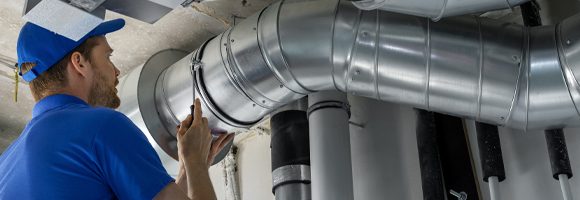
Designing an effective HVAC (Heating, Ventilation, and Air Conditioning) system requires balancing comfort, efficiency, cost, and long-term performance. Air Cleaning Technologies provides HVAC system design in Bowie, McLean, Gaithersburg, Frederick, Annapolis, Loudoun County and surrounding areas.
These are key things to know about HVAC system design:
- Load Calculations Are Critical
Proper sizing is the foundation of good design. Engineers use standardized methods such as ACCA’s Manual J to calculate heating and cooling loads based on building size, insulation, windows, occupancy, and climate. Oversized systems cycle on and off frequently, reducing efficiency and comfort. Undersized systems struggle to maintain temperature.
- Climate and Location Matter
System design depends heavily on geographic location. Buildings in hot, humid climates need strong dehumidification capacity, while cold regions prioritize heating performance. Local building codes and energy standards also influence equipment selection and design requirements.
- Energy Efficiency Standards
Efficiency ratings such as SEER (Seasonal Energy Efficiency Ratio) for cooling and AFUE (Annual Fuel Utilization Efficiency) for furnaces guide equipment selection. High-efficiency systems reduce operating costs and environmental impact but may have higher upfront costs
- Proper Duct Design
Ductwork affects airflow, comfort, and efficiency. Poorly designed ducts cause pressure imbalances, noise, and energy loss. Designers consider duct sizing, layout, insulation, and sealing to ensure even air distribution and minimal leakage.
- Ventilation and Indoor Air Quality (IAQ)
Modern HVAC design must address ventilation rates, filtration, and humidity control. Systems may include energy recovery ventilators (ERVs), high-efficiency filters, and UV lights to improve indoor air quality.
- Zoning and Controls
Zoning systems divide buildings into separate areas with individual thermostats, improving comfort and reducing energy waste. Smart thermostats and building automation systems allow better scheduling and energy management.
- Sustainability and Regulations
Designers increasingly integrate sustainable technologies such as heat pumps, variable refrigerant flow (VRF) systems, and renewable energy sources to meet environmental goals and regulatory standards.
A well-designed HVAC system enhances comfort, reduces energy costs, and supports long-term building performance. Would you like to discuss? Please give us a call, or email us!